
Incremental Static Regeneration and CMS Publishing Freshness
How Incremental Static Regeneration affects CMS publishing freshness, including rebuild timing, stale pages, previews, and editorial expectations.
Articles
Development is the broadest category in my writing, so it works as the main archive rather than a narrow subject label. It brings together implementation notes and technical decisions, with delivery lessons from across the rest of the site.
How Incremental Static Regeneration affects CMS publishing freshness, including rebuild timing, stale pages, previews, and editorial expectations.

Set up Gatsby on an M1 MacBook Air with Xcode, Homebrew, nvm, Node.js, vips, Yarn, the Gatsby CLI, dependency reinstall steps, and native image dependencies.

Compare React functional, class, and pure components, including reusable component design, presentation boundaries, legacy patterns, and when each fits.

What a software engineer does day to day, from understanding requirements and writing code to testing, maintenance, teamwork, and long‑term system improvement.
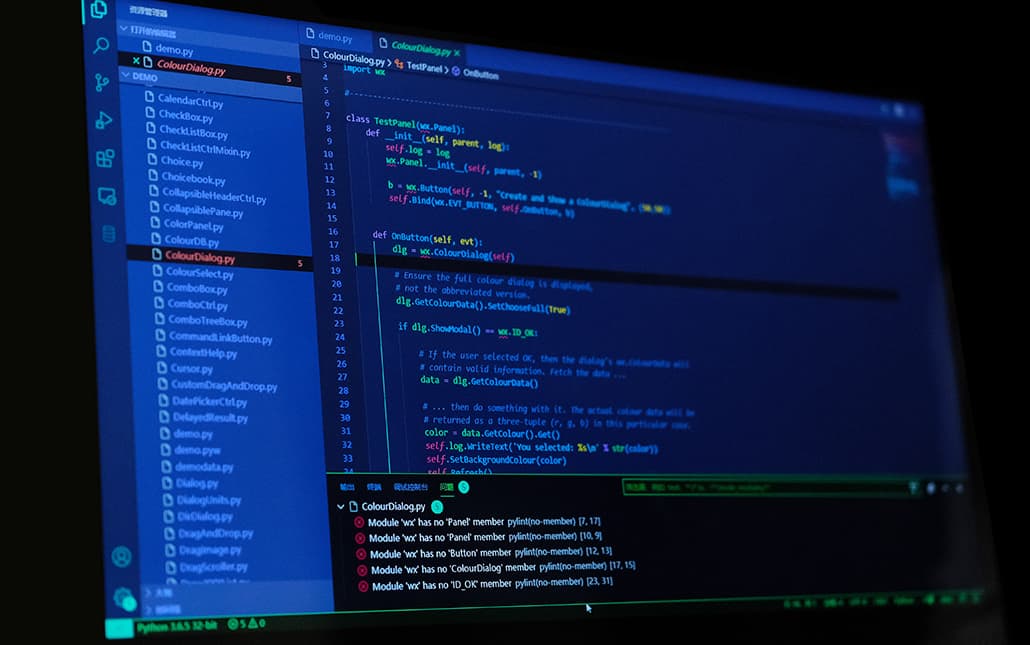
A practical guide to finding your first UK web‑development role: learn a stack, build a portfolio, choose a niche, and research suitable employers.

Preview Mode in Next.js explained with a headless CMS, draft content workflows, preview cookies, and how editors can see unpublished pages safely.

Website theft is frustrating, but there are practical ways to spot it and respond. This guide covers copied text, copied code, and escalation options.

Plan CMS preview in Gatsby workflows by setting expectations around draft content, preview builds, webhooks, deployment timing, and editor confidence.

Disable Gatsby telemetry cleanly, with context on what anonymous analytics collect, why teams opt out, and how the setting affects local and CI work.

p Tags from Contentful List ItemsOne of the quirks of rendering Rich Text from Contentful is that list items come wrapped in paragraph <p> tags. Fortunately, this is a simple one to resolve.

Render CMS rich text safely in Gatsby and React with node mapping, link handling, embeds, headings, validation, and failure‑safe fallbacks.

Contentful rich text and Gatsby work well together until code snippets enter the picture. This guide shows how to render inline and block code cleanly.

Why Gatsby and Contentful can still work well for static sites, where the pairing becomes strained and when migration pressure is worth reviewing.

An exploration of array‑like objects in JavaScript. Explanations of their unique characteristics and how to navigate them easily in front‑end development.

Replace Gatsby's inlined production CSS with an external stylesheet by rewriting headComponents, with performance trade‑offs and historical context.

Promise.allSettled in JavaScriptChoose Promise.allSettled() when every outcome matters. Handle fulfilled values and rejected reasons, preserve input order, and keep fail‑fast work distinct.

Disable production source maps in Gatsby with webpack, understand external versus inline maps, and clear old map files without changing development builds.
next/imagenext/image explained with responsive sizing, lazy loading, layout shift reduction, and why image optimisation matters in real Next.js applications.