
Container Queries in CSS
CSS container queries let components respond to an ancestor container's size. I explain query containers, responsive components, and browser fallbacks.
Articles
Adaptive development serves deliberately different experiences for known device capabilities. That makes it a more opinionated choice than responsive development, which usually asks one codebase to flex. The writing here is interested in that distinction, and in the browser and implementation decisions that make device‑aware delivery useful rather than brittle.
CSS container queries let components respond to an ancestor container's size. I explain query containers, responsive components, and browser fallbacks.

aspect-ratio for Responsive LayoutsThe CSS aspect-ratio property makes it easier to maintain consistent proportions in responsive layouts. Here, I explore how it works and when to use it.

Multi‑tenant applications serve multiple customers from a single codebase. Here, I walk through building a scalable multi‑tenant web application using Next.js.

matchMedia MethodIn the past, we used event listeners on the Window to determine the physical dimensions of a document. Using matchMedia allows us to use media query syntax.

content-visibilityUsing the CSS content‑visibility property, we can control when and how an element's content is rendered by the browser.
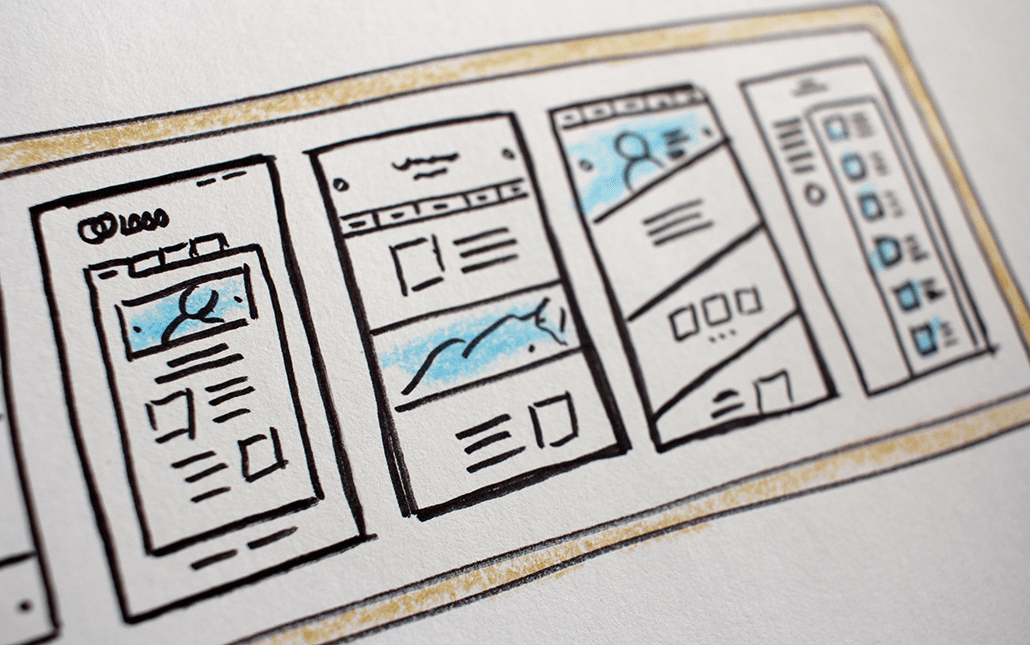
position: sticky in CSSAchieving sticky positioning on the web was once a weighty process using JavaScript to detect scroll positions and switch styles. Now, we have position: sticky!

Progressive enhancement in web development is often misunderstood: it allows us to take advantage of more modern browsers, without penalising the older ones.

Now used as almost trivial marketing buzz words, there really are significant differences between responsive and adaptive design and development techniques.

Reduce image brightness with CSS filters. This guide explains brightness() values, transitions and the trade‑offs when adjusting images for dark mode.

Improve website performance with practical HTML, CSS and JavaScript checks, from assets and rendering to scripts, measurement and Core Web Vitals.

window.resize Events in iOSUnderstand phantom window.resize events in iOS Safari, including dynamic browser UI, viewport changes, orientation, user interaction, and mitigation patterns.