
React vs. Vue vs. Angular
Compare React, Vue, and Angular across ecosystem, learning curve, state, templates, team fit, SEO concerns, and how to choose a front‑end framework.
Articles
The guides are the practical part of this archive: working explanations for a specific web development problem, written to show the decision as well as the answer. The subject varies, but the aim is consistent: enough context to use the technique sensibly rather than copy it blindly.
Compare React, Vue, and Angular across ecosystem, learning curve, state, templates, team fit, SEO concerns, and how to choose a front‑end framework.

Static site generators trade runtime complexity for build‑time output. This article looks at the benefits, the drawbacks, and where they fit best.

Use Chrome Developer Tools to track focused elements, debug phantom keyboard focus, improve accessibility testing, and create a useful live expression.

Ten practical SEO areas front‑end developers can influence, from site speed and semantics to metadata, mobile UX, internal links, and structured data.

What headless CMSes are, how API‑first content supports multiple front ends, who benefits, and the trade‑offs between several popular platforms.
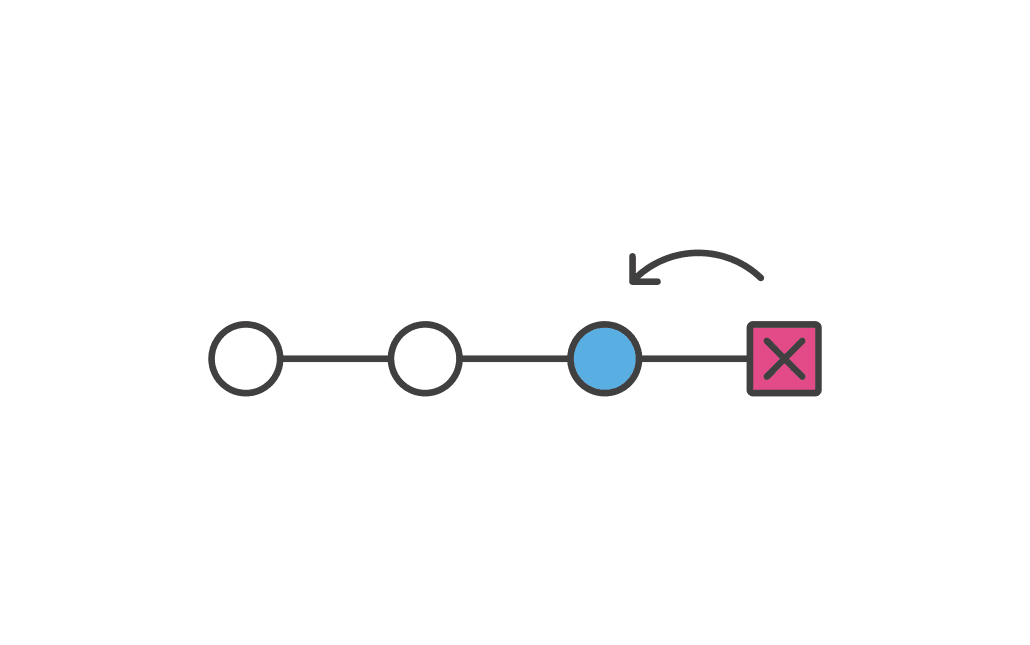
Amend Git commits safely with git commit ‑‑amend, message fixes, forgotten files, reset alternatives, tidy history, and remote‑branch cautions.

A beginner's guide to how web hosting works, the differences between shared, VPS, dedicated and cloud hosting, and how to choose a suitable provider.

What makes a great JavaScript developer goes well beyond syntax. This article looks at judgement, fundamentals, debugging, and day‑to‑day habits.

Front‑end developer skills explained, from HTML, CSS, JavaScript, accessibility, debugging, Git, APIs, frameworks, responsive design, and communication.

See why CSS visual order can differ from document, reading, and focus order, with Flexbox and Grid examples plus a safer responsive structure to test.

Hiring a React developer is about more than matching keywords. This guide looks at fundamentals, judgement, and what good front‑end signals look like.

Rename local and remote Git branches cleanly, including branch switching, pushing the new name, deleting the old remote, and avoiding typo fallout.
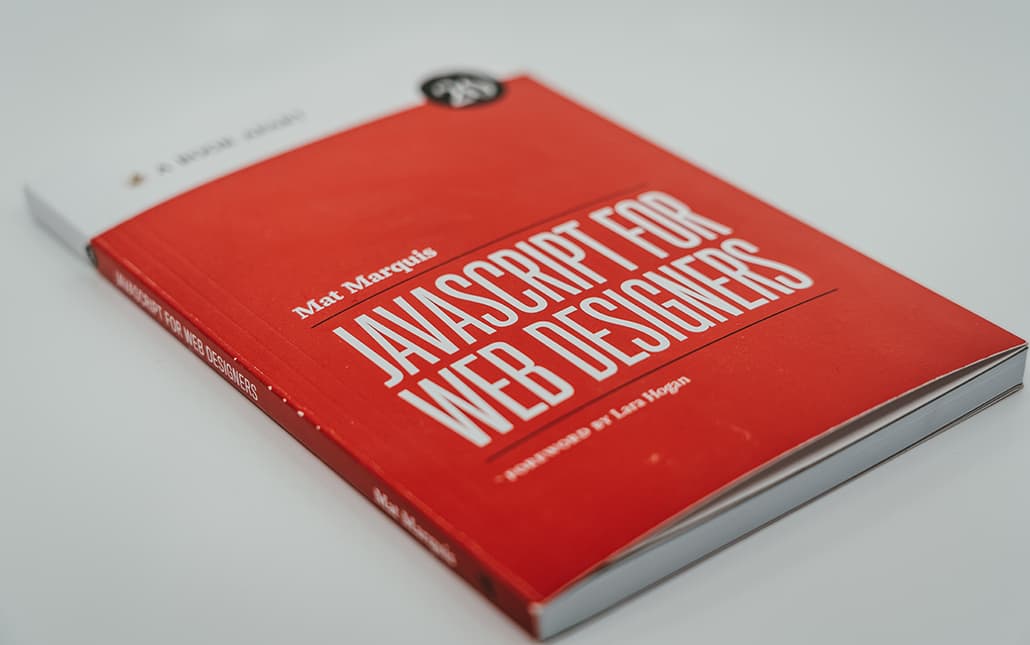
Hire a JavaScript developer by assessing responsibilities, core front‑end skills, framework knowledge, problem solving, collaboration, and hiring sources.

Freelance development in Brighton examined honestly, covering seaside appeal, local community, high costs, commuting, limited local work, and trade‑offs.

AMP has long split opinion: Google's preferential treatment of sites using AMP has long been a contentious point. Is it worth implementing AMP any longer?

Use ARIA live regions for dynamic status updates, choose polite or assertive announcements, handle repeated messages, and know when focus should move.

Ethical web development part two covers accessibility, inclusivity, WCAG, open source responsibility, and how developers can make safer web experiences.

Hire a freelance front‑end developer by clarifying scope, HTML, CSS, JavaScript, Git, testing, performance, debugging, frameworks, and collaboration needs.