
Debugging Hydration Mismatches in React and Next.js
Debugging hydration mismatches in React and Next.js, including common causes, repeatable fixes, and how to stop server and client renders drifting apart.
Articles
Next.js turns React into a full web platform, which means framework choices soon become architecture and operational choices. These articles cover how rendering and routing decisions carry into migration and deployment work, including the production cases where the framework's convenient default is not the right boundary.
Debugging hydration mismatches in React and Next.js, including common causes, repeatable fixes, and how to stop server and client renders drifting apart.

Reduce headless CMS image bandwidth and quota risk with a storage mirror: sync changed assets, reuse originals, and keep Next.js image delivery off your CMS.

Lessons from running Next.js Pages Router at scale in 2026, including governance, performance discipline, and why older patterns sometimes still make sense.

Diagnose Sass colours that survive compilation but break in Next.js production CSS when minification creates invalid mixed‑unit legacy rgb() values.

Mastering Server Components in Next.js, including client boundaries, data fetching, caching, streaming, and the mistakes that make App Router code messy.

Converting objects to query strings is essential for handling URLs in JavaScript. Here, I explore encoding, parsing, and managing query parameters in Next.js.

Best practices for managing environment variables in Next.js, so secrets stay server‑side and deployments do not freeze the wrong values at build time.

Approach production observability in Next.js with contextual logs, traces, release markers, client errors, cache signals, build visibility, and business data.

Slow Gatsby builds need a clear choice: optimise plugins, data, and images in place, or move to Next.js when publishing and cache limits justify it.
A practical Gatsby to Next.js migration checklist covering routes, data, rendering, plugins, images, redirects, preview, sitemaps, and SEO validation.
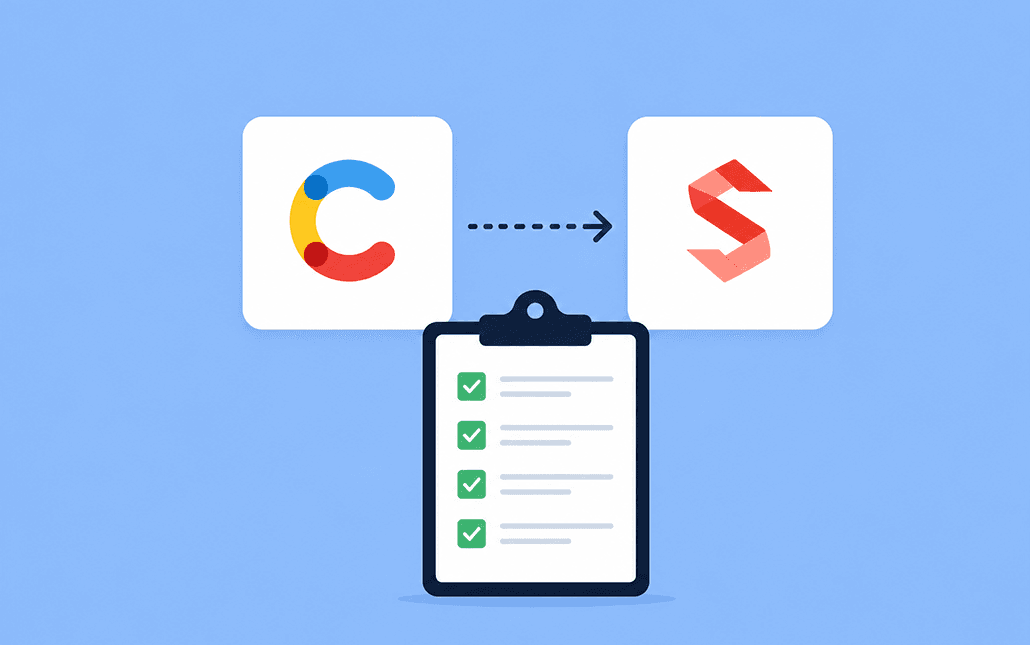
A practical Contentful to Sanity migration checklist for Next.js sites, covering schemas, references, preview, redirects, metadata, and SEO checks.

SEO best practices in Next.js, with a sharper focus on Core Web Vitals, stable layouts, lighter bundles, metadata, and real user measurement for search.

Debug stale Next.js App Router pages with cache tags, revalidation paths, CMS webhooks, preview freshness, dependency graphs, and simpler cache contracts.
Contentful to Sanity migration risks for Next.js sites, including models, references, rich text, preview, metadata, redirects, and launch checks.

Why CMS preview belongs in the migration plan for Next.js sites, covering draft state, auth, cookies, iframes, cache invalidation, and governance.
How to decide whether moving from Contentful to Sanity makes sense for a Next.js website, including workflow, modelling, preview, and migration risk.

Fix Contentful preview in Next.js by checking Draft Mode, preview URLs, iframe cookies, draft data boundaries, auth, performance, and editor trust.

A practical way to debug failing Next.js builds on Vercel, from first useful error lines and environment drift to route generation and memory pressure.