Technical Diagnostic
A focused review to establish what is happening, where the risk sits, and what should happen next, ending with a prioritised plan the team can take into delivery.
This is not a content export dressed up as a migration. The Sanity schema, migration scripts, preview flow, validation rules, redirects, and Next.js data layer need planning before the Contentful model is copied into a new CMS.
Move a Contentful‑backed Gatsby or Next.js site to Sanity without losing content meaning, references, rich text, assets, slugs, locales, metadata, preview, or editorial control.
A Contentful‑to‑Sanity migration succeeds when the new Sanity model fits the site and editorial workflow, not when every Contentful content type is mirrored one‑to‑one. The risk sits in references, rich text, assets, slugs, locales, metadata, validation, preview, publishing workflow, and the front‑end data layer. Sanity is not automatically the better move for every team, so the first decision is whether the migration solves the real editorial and platform constraint.
A focused review to establish what is happening, where the risk sits, and what should happen next, ending with a prioritised plan the team can take into delivery.
Senior hands‑on support inside an existing team when architecture, implementation, review, and delivery decisions need to stay connected.
Ongoing senior technical direction when a team needs stronger leadership and platform ownership before a permanent hire makes sense.



Move off Gatsby when build stages, plugin dependencies, data‑source coupling, image pipelines, and preview constraints are now slowing publishing and platform maintenance.
Improve slow or unreliable Contentful preview before editorial latency turns preview into a bottleneck instead of a safeguard for publishing teams.
Restore reliable draft mode and CMS preview flows so editors can review unpublished content without fighting cookies, auth, or iframe failures.
Add or repair the metadata, canonical, sitemap, schema, and internal‑link controls that search‑critical headless CMS templates need.
Plan a move to Next.js by identifying which routes, redirects, rendered output, metadata, CMS workflows, analytics, performance paths, and release controls must survive the cutover.
Fix headless CMS operations where preview, publishing freshness, revalidation, metadata, rich text, media, environments, or editor trust has stopped being reliable.
Headless architecture advice before CMS, content model, preview, revalidation, metadata, schema, media, localisation, and editorial ownership decisions become expensive to reverse.
Preventative, engineering‑led SEO for React and Next.js sites where rendered HTML, indexable text, metadata, canonicals, links, structured data, and AI extractability have to be reliable before visibility is damaged.
How to decide whether moving from Contentful to Sanity makes sense for a Next.js website, including workflow, modelling, preview, and migration risk.
A practical Contentful to Sanity migration checklist for Next.js sites, covering schemas, references, preview, redirects, metadata, and SEO checks.
Contentful to Sanity migration risks for Next.js sites, including models, references, rich text, preview, metadata, redirects, and launch checks.
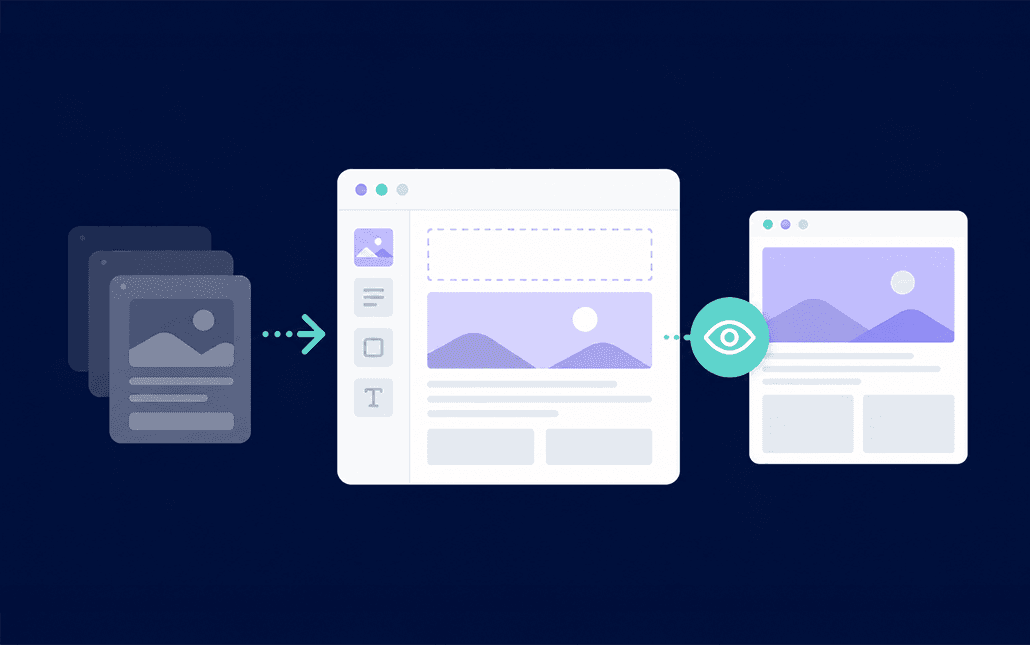
Why CMS preview belongs in the migration plan for Next.js sites, covering draft state, auth, cookies, iframes, cache invalidation, and governance.
A practical Gatsby to Next.js migration checklist covering routes, data, rendering, plugins, images, redirects, preview, sitemaps, and SEO validation.

Slow Gatsby builds need a clear choice: optimise plugins, data, and images in place, or move to Next.js when publishing and cache limits justify it.