
What React 19 Changes for Shared Custom Elements
Compare custom elements in React 18 and 19. Test object properties, event casing, late registration, and server rendering before removing a wrapper.
Articles
Testing is the work of checking behaviour before users do it for us in production. My articles here are less interested in maximising test count than in choosing the lightest check that still catches the real risk, especially when rendered component behaviour matters more than an implementation detail.
Compare custom elements in React 18 and 19. Test object properties, event casing, late registration, and server rendering before removing a wrapper.

Test a packed React library in separate consumer apps to catch duplicate React, missing declarations, broken exports, lost styles, and unsupported peers.

Test packed Node.js packages with CommonJS and ESM consumers, catching missing files, export conditions, duplicate state, and asynchronous module graphs.

Test overlapping React saves with separate request and response order. Keep optimistic state separate from accepted writes, conflicts, and uncertain outcomes.

Run two Next.js applications behind one domain, with explicit route ownership, separate assets, hard navigation, shared session rules, and independent rollback.

Change a CMS field without breaking an older Next.js release. Test partial migration, preview, localised fallbacks, editor changes, and the rollback window.

How to write effective Angular unit tests that focus on behaviour, TestBed boundaries, realistic setup, and assertions that survive refactoring over time.

Build an IndexedDB form outbox with durable server receipts. Test lost replies, restarts, duplicate delivery, account changes, conflicts, and storage failures.
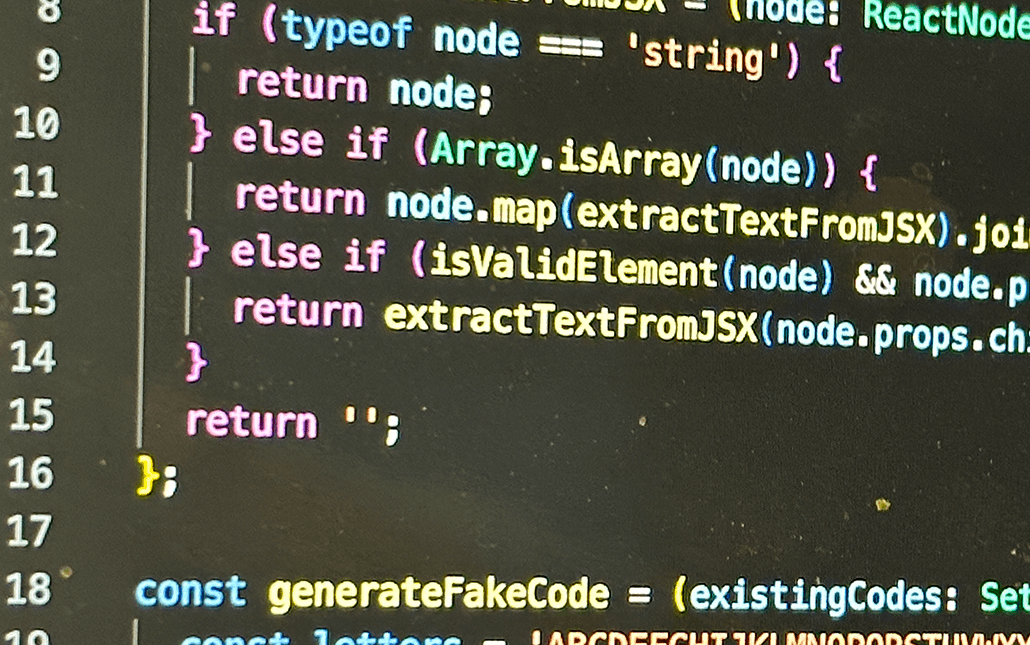
Test JSX‑driven content in Cypress by comparing rendered output, extracting text, handling order, avoiding brittle assumptions, and respecting performance.

Compare a Next.js image's rendered width with its sizes declaration, selected URL, and response bytes. Test narrow cards, high‑density screens, and bad hints.


Test a real Node.js command with node:test. Check its exit status, stdout, stderr, and generated files, then prove the tests catch three deliberate regressions.

Solve LeetCode Add Two Numbers in TypeScript with linked‑list traversal, carry handling, edge cases, and a clear implementation you can test and extend.

Find out why a Next.js child page loses its inherited Open Graph image, then check explicit fallbacks, canonical URLs, and metadata after navigation.

Handle Node.js shutdown with real signals, an admission gate, drained HTTP requests, separate upgraded sockets, and a deadline that includes cleanup.

Keep private TanStack Query data inside the right Next.js request. Test overlapping users, hydration freshness, failed queries, and account changes.

Check a copied Next.js standalone deployment for missing runtime files, shared workspace data, public assets, and client JavaScript before releasing it.

Use useSyncExternalStore to catch a missed subscription update, keep React consumers on the same cached snapshot, and hydrate from the original server data.