
Improve Page Performance with content-visibility
Using the CSS content‑visibility property, we can control when and how an element's content is rendered by the browser.
Articles
Almost as old as front‑end development itself, CSS is a stylesheet language that describes the presentation of an HTML or XML document. We write CSS to describe how elements should be rendered and animated on‑screen, when printed, in speech, or in other media. In web development, writing CSS is an underappreciated skill that not many fully master.
content-visibilityUsing the CSS content‑visibility property, we can control when and how an element's content is rendered by the browser.

mini-css-extract-plugin Warnings in GatsbySeeing Conflicting Order warnings in your Terminal whilst building your Gatsby project is not uncommon, but fortunately is very easy to fix (or suppress) too.

Learn how CSS container queries apply styles according to a parent container's size, with @container examples, fallbacks and current support context.
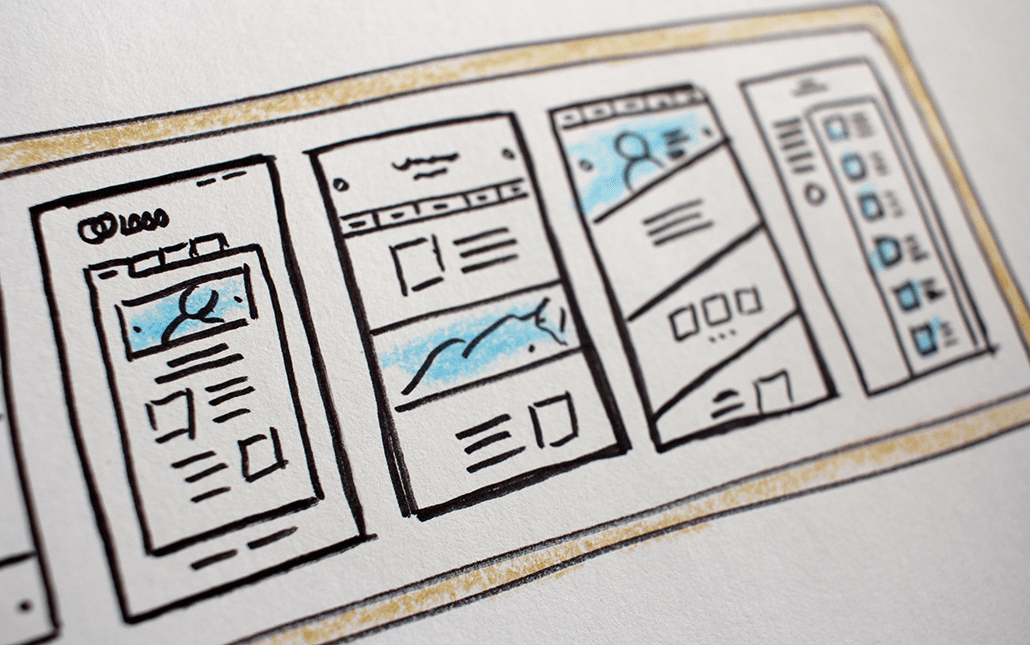
position: sticky in CSSAchieving sticky positioning on the web was once a weighty process using JavaScript to detect scroll positions and switch styles. Now, we have position: sticky!

:has Pseudo‑ClassThe :has CSS selector allows you to select a parent element based on whether it has a certain child or children. It's powerful but it has some limitations.

Find web development jobs through job boards, aggregators, social networking, cold outreach, freelance routes, contract listings, and better search habits.

Understand CSS positioning with static, relative, absolute, fixed, and sticky values, including containing blocks, layout effects, and common front‑end bugs.
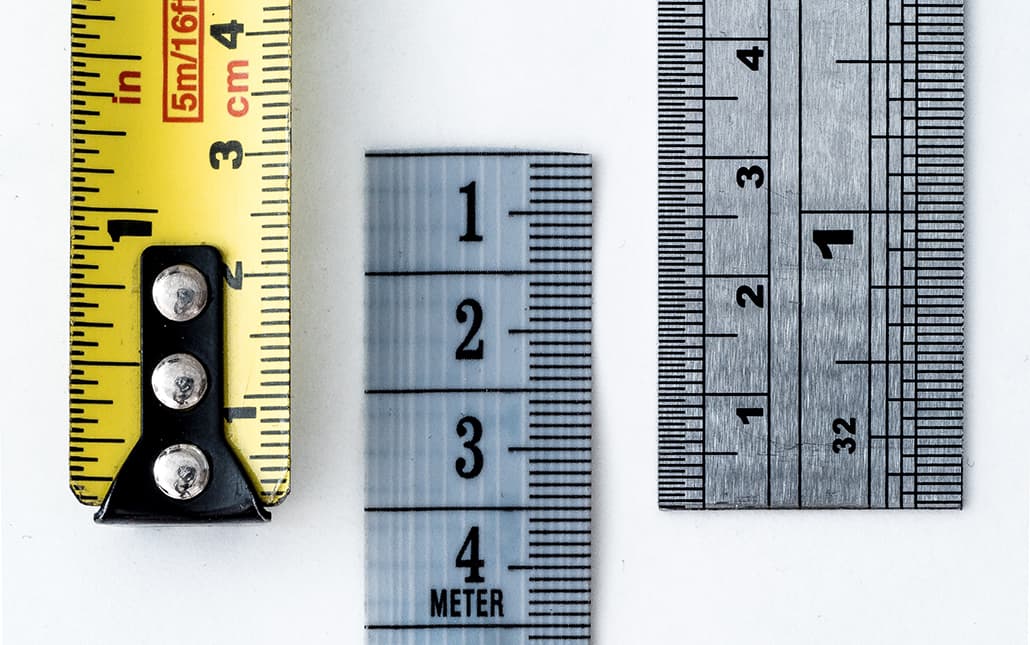
Understand CSS margin collapse, including vertical margins, parent‑child behaviour, margin transference, why it feels odd, and how to prevent it.

Change the mouse cursor with CSS using built‑in cursor values or custom assets, whilst keeping interaction cues useful and avoiding distracting effects.

vw and vhExplore CSS viewport units beyond vw and vh, including vmin, vmax, vi, vb, svh, lvh, and dvh for mobile browser chrome, writing modes, and sizing bugs.

Flexbox in CSS allows for flexible, dynamic and responsive layouts. Learn how to use its properties to create efficient interfaces and avoid potential issues.
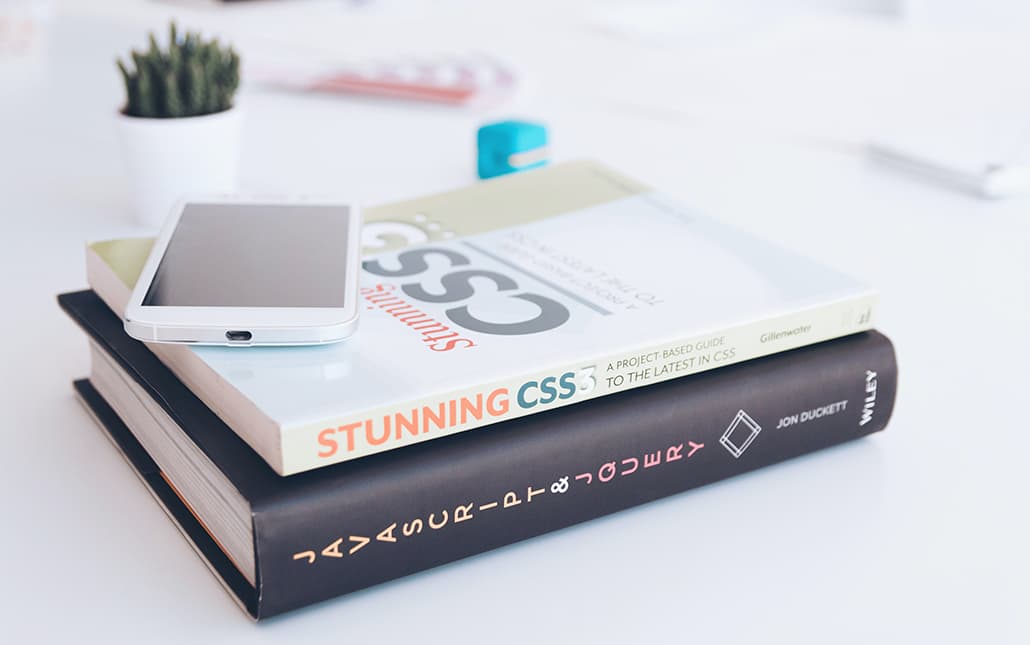
CSS specificity explains why some selectors win and others stubbornly do not. This guide breaks down the rules without making them feel mystical.

See why CSS visual order can differ from document, reading, and focus order, with Flexbox and Grid examples plus a safer responsive structure to test.

gridAt first glance, 'flexbox' and 'grid' in CSS appear to solve similar problems in different ways. They are both suited to very different layouts however.

z-indexDebug z‑index quirks in CSS by understanding positioning, stacking contexts, opacity, transforms, huge values, and why layers still misbehave.

Hire a freelance front‑end developer by clarifying scope, HTML, CSS, JavaScript, Git, testing, performance, debugging, frameworks, and collaboration needs.

Change placeholder text colour with CSS ::placeholder, including browser defaults, form styling, input states, and accessible use of placeholder copy.

Front‑end web development explained through HTML, CSS, JavaScript, UI work, browser behaviour, back‑end integration, and what front‑end developers do.